
You don’t need a complicated plan to stay on top of things. Check out these simple, realistic strategies to help you manage your finances better.

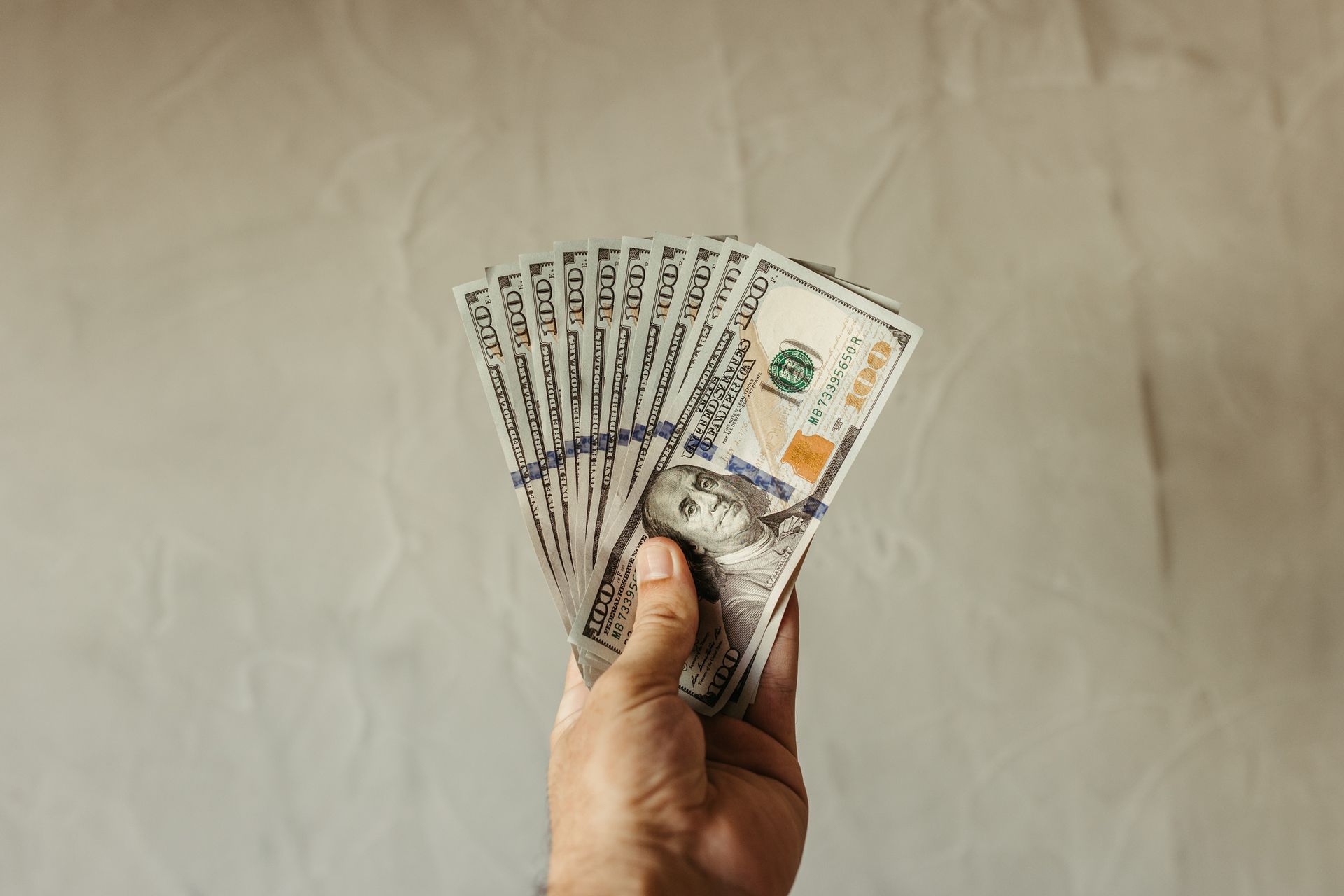
Managing your money when you’re paid in cash or checks can be unpredictable. One week may be strong while the next week is much slower. If you’re working in restaurants, delivery, gig jobs, or seasonal work around Chicago, you already know how quickly your income can change.
Without a simple system, it’s easy to fall behind on bills or lose track of where your money is going. The good news is you don’t need a complicated plan or a bank account to stay on top of things. Check out these simple, realistic strategies to help you manage your finances better.
What to Do As Soon As You Get Paid
If you’re paid with checks, don’t hold on to them for too long. The sooner you cash your check, the sooner you’ll have a clear idea of what you’re working with.
If you’re searching for a currency exchange near you to cash a check, choosing a trusted location matters. A trusted place like Associated Currency Exchange makes it easy to walk in and take care of this quickly, all while following secure processes that help protect you from fraud.
Once you have your money in cash, it’s time to start splitting your money. There are many ways to divide your money, but one of the most popular ones is the 50/30/20 system. Set aside 50 percent of your income for necessities like rent, bills, gas, and groceries, 30 percent toward everyday spending, and 20 percent into savings. These percentages can change over time, too, depending on your situation.
One easy habit that helps right away is not carrying all your cash with you. Bring the cash you need for the day and leave the rest in a safe place. This will help you feel less tempted to spend more than you planned.
Keep Track of Your Money Without Overcomplicating It
When you’re using cash, nothing is tracked automatically. That makes it easier to lose track of where your money goes. But you don’t need anything fancy like a detailed, itemized budget to stay organized. Use whatever you’ll stick with, whether that’s a notebook, a budgeting app, or a simple spreadsheet.
Write down what you spend each month on things like rent, groceries, gas, transportation, and everyday purchases. Eventually, you’ll start to see patterns in your spending.
Plan for Busy Weeks and Slower Ones
You might also notice trends in the amount of cash you’re taking home week to week. You might make more during the summer or around the holidays and less during slower months. Once you notice those patterns, you can plan ahead. Here’s how you can prepare for these inconsistencies:
- Set aside extra cash during busy weeks.
- Use that money to cover slower periods.
- Always pay your essential bills first.
Pay Bills and Stay Organized Without a Bank Account
Even if you don’t have a bank account, there are easy ways to stay on top of your bills. If you’re trying to stay organized, it can help to pay multiple bills together instead of doing them one at a time.
Try paying your bills in person at a currency exchange instead of using the mail. This way, you can avoid delays and lost payments. Money orders can also be a safer option than personal checks for things like rent or bills.
Keep Your Cash Safe and Avoid Common Risks
None of this matters if your cash isn’t safe. Here are some simple ways to keep your money safe:
- Don’t store large amounts of cash in random places.
- Keep your money in a consistent, secure spot at home.
- Avoid carrying more cash than you need.
- Be cautious of scams or fake checks.
- Use trusted check cashing services that follow clear security procedures.
- Be prepared to show ID when cashing checks to help prevent fraud and protect your money.
Meanwhile, don’t forget to keep and organize your receipts. As proof of payment, it helps with things like returns, tax deductions, and warranties. Keeping them organized can save you a headache down the line.
Make It Easier by Using One Place for Everything
You don’t need a bank to manage money well. What matters most is building simple habits that work for your situation and help you build a stable financial foundation. Setting aside money for essentials, tracking your spending, and keeping your cash safe can help you stay on track.
When you have a reliable place like Associated Currency Exchanges nearby to handle your money, it becomes easier to stay organized and feel more in control of your finances. With locations across Chicago, many in busy neighborhoods, it’s easy to stop in while running errands or heading to work. Stop by a nearby location to cash your check, pay bills, and take care of everything in one place.